MealSelf


How to Meal Prep for the Week
Pick a few simple meals, shop once, cook in one session and store it properly. A beginner's guide to meal prep, including how long prepped meals really last.
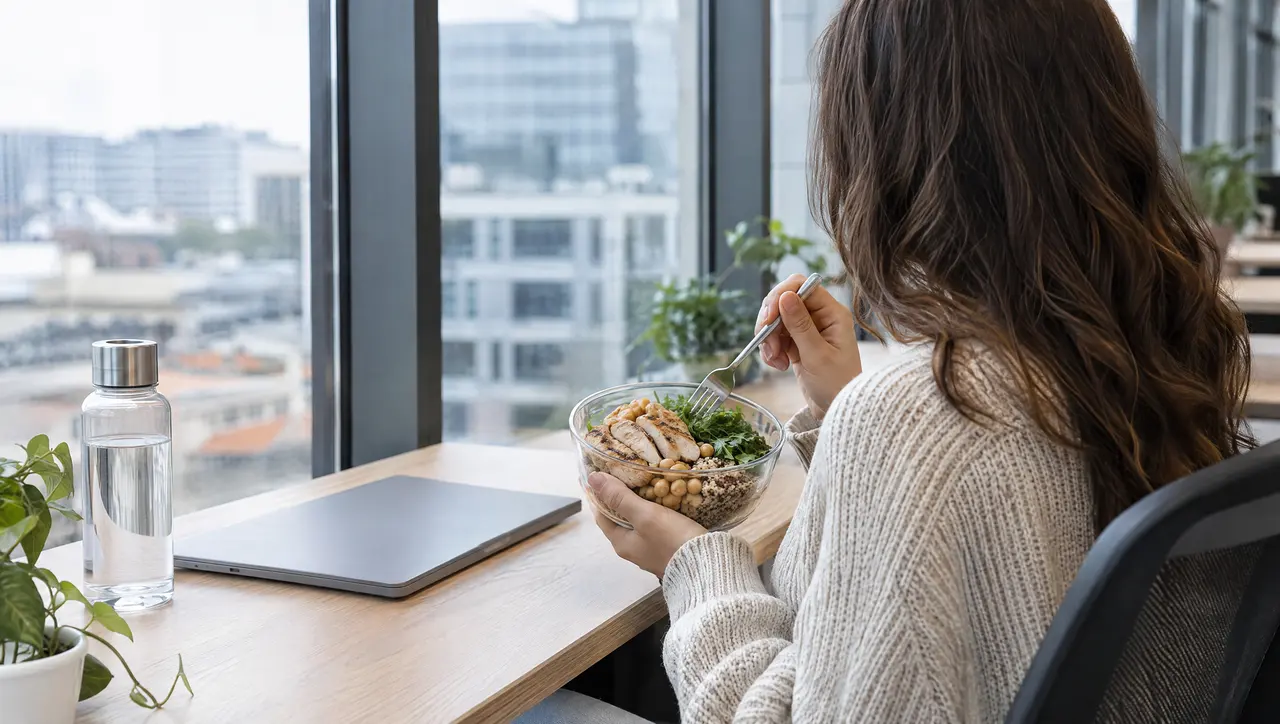
To meal prep for the week, choose two or three simple meals, write one grocery list, and cook everything in a single session of about two hours. Portion the food into shallow, airtight containers and get it into the fridge within two hours of cooking. Keep the meals you will eat in the next three to four days in the fridge, freeze the rest, and reheat each portion until it is steaming hot all the way through.
What is meal prep?
Meal prep means doing the planning, shopping and most of the cooking for several days at one time, so that weekday meals only need reheating or a few minutes of assembly. There are three common ways to do it, and you can mix them.
- Full meals. Cook complete dishes and portion them into containers, ready to grab and reheat.
- Batch cooking. Make a large pot of one recipe, such as chili, curry or soup, eat some this week and freeze the rest.
- Ingredient prep. Cook the building blocks, such as a grain, a protein and a tray of vegetables, and combine them in different ways through the week.
Ingredient prep is a good place to start, because the same chicken, rice and roasted vegetables can become a rice bowl on Monday, a wrap on Tuesday and a salad on Wednesday.
How do you start meal prepping as a beginner?
Start smaller than you think you need to. Prepping every meal for seven days on your first try usually ends with a tired cook and food that goes to waste.
Step 1. Pick one meal to prep
Choose the meal that causes you the most trouble. For many people that is weekday lunch. Prep that meal only for the first week or two, then add breakfast or dinner once the routine feels easy.
Step 2. Choose two or three recipes
Pick recipes that reheat well and share ingredients, so your grocery list stays short. If you are eating toward a goal, work out your numbers first. Our guide on how many calories to eat to lose or gain weight walks through it step by step.
Step 3. Write one grocery list and shop once
Check what you already have, then list what is missing, grouped by section of the store so you are not doubling back. One planned trip is faster and cheaper than several small ones.
Step 4. Cook in the right order
Start the things that take longest and need the least attention. Put grains on the stove and trays of vegetables and protein in the oven first. While they cook, wash and chop raw vegetables, boil eggs and mix sauces or dressings.
Step 5. Portion, cool and store
Divide the food into containers while it is still warm, and get it into the fridge quickly. The next sections cover how to do that safely.
What foods are best for meal prep?
The best meal prep foods hold their texture for a few days and taste good reheated.
- Grains and starches. Rice, quinoa, pasta, potatoes and sweet potatoes.
- Proteins. Chicken thighs or breast, ground turkey or beef, baked tofu, lentils, beans and hard-boiled eggs.
- Sturdy vegetables. Broccoli, carrots, peppers, green beans, cabbage and roasted squash.
- One-pot meals. Chili, curry, stew and soup, which often taste better the next day and freeze well.
Some foods are better added on the day you eat them. Keep dressing in a separate small container so salad leaves stay crisp, slice avocado fresh, and expect anything fried or crispy to soften in the fridge.
How long does meal prep last in the fridge?
Plan to eat refrigerated meal prep within three to four days. The USDA's Food Safety and Inspection Service says leftovers can be kept in the refrigerator for 3 to 4 days. Health Canada is a little more cautious and advises eating refrigerated leftovers within 2 to 3 days, or freezing them for later.
That means food cooked on Sunday covers you until about Wednesday. For Thursday and Friday you have two good options. Freeze those portions on Sunday and move them to the fridge the night before, or do a second, shorter prep session midweek.
Hard-boiled eggs are an exception. The FoodSafety.gov cold storage chart lists them at one week in the fridge.
How do you store meal prep safely?
A few habits make the difference between food that keeps well and food that does not.
- Refrigerate within two hours. Both the USDA and Health Canada say to throw away cooked food that has been left at room temperature for more than two hours.
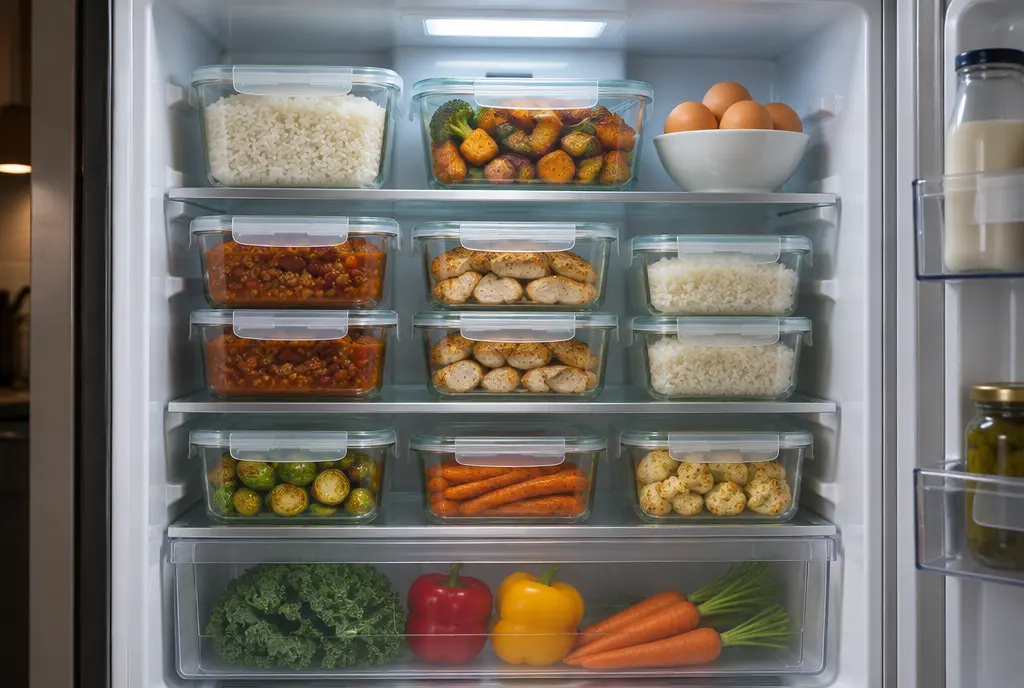
- Use shallow containers. Health Canada recommends refrigerating leftovers promptly in shallow containers so they cool quickly. A deep pot of hot chili takes far longer to cool in the middle than the same chili divided into small portions.
- Keep the fridge cold. Bacteria grow fastest in what Health Canada calls the danger zone, between 4°C (40°F) and 60°C (140°F). Your fridge should sit at 4°C or below.
- Use airtight containers. Glass containers with locking lids do not stain or hold smells, and they can go from fridge to microwave.
- Label what you freeze. Write the dish and the date on the lid. Frozen food all looks the same after a month.
Can you freeze meal prep?
Yes, and it is the easiest way to prep for more than four days. The USDA says leftovers can be frozen for 3 to 4 months. Food kept frozen at -18°C (0°F) stays safe beyond that, but it slowly loses moisture and flavour.
Soups, stews, chili, curries, cooked grains, meatballs and burritos freeze well. Cooked pasta, raw salad vegetables and dishes with a lot of cream or mayonnaise do not.
Thaw frozen meals in the fridge overnight or in the microwave, not on the counter. Health Canada advises eating or cooking thawed leftovers right away.
How do you reheat meal prep safely?
Reheat leftovers to an internal temperature of 74°C (165°F), the figure given by both the USDA and Health Canada. If you do not have a food thermometer, the food should be steaming hot all the way through, not only at the edges. In a microwave, stir halfway so there are no cold spots, and bring soups and sauces to a boil on the stove.
Reheat only the portion you are going to eat. Health Canada advises throwing away leftovers that are still uneaten after they have been reheated.
What does a simple first meal prep look like?
Here is a two-hour session that makes four lunches and four dinners using ingredient prep.
- Start the oven and the stove. Roast a tray of chicken thighs and a tray of broccoli, peppers and sweet potato. Cook a pot of rice.
- Use the waiting time. Boil six eggs, chop raw vegetables for snacks, and mix a simple dressing or sauce.
- Make one pot meal. While the oven is busy, simmer a pot of turkey or lentil chili.
- Portion it out. Fill four containers with chicken, rice and vegetables for lunches and four with chili for dinners.
- Store it. Put what you will eat by Wednesday in the fridge and freeze the rest.
What are the most common meal prep mistakes?
- Prepping too much at once. Start with one meal a day and build up.
- Choosing complicated recipes. Save the new and fiddly dishes for a night when you have time. Prep the simple ones.
- Eating the same thing five days in a row. Change the sauce, the grain or the vegetable so each day tastes different.
- Leaving food to cool on the counter for hours. Portion it and refrigerate it within two hours.
- Keeping fridge meals too long. If you will not eat it within three to four days, freeze it on prep day.
Frequently asked questions
How many days in advance can you meal prep?
For the fridge, three to four days. The USDA says leftovers keep for 3 to 4 days in the refrigerator, and Health Canada advises 2 to 3 days. To prep for a full week, freeze the portions for the later days and thaw them in the fridge the night before.
Is it safe to eat meal prep after 5 days?
It is not recommended for most cooked meals. Food safety agencies advise eating refrigerated leftovers within three to four days at most, because bacteria can grow slowly even in a cold fridge and you cannot always see or smell them. Freeze anything you will not eat in that time.
How long does it take to meal prep for a week?
Plan on about two hours for a simple session once you have your recipes and groceries. It gets faster as you repeat meals and learn which jobs can run at the same time.
Is meal prep good for weight loss?
It can help, because your portions are decided in advance and a ready meal in the fridge is easier to choose than takeout. Meal prep does not cause weight loss on its own. The total calories you eat still matter, so set your portions to match your goal.
What containers are best for meal prep?
Shallow, airtight containers that are safe for the microwave and freezer. Glass lasts longer and does not stain. Whatever you choose, pick one or two sizes that stack, so they fit your fridge.
Let MealSelf plan the week for you
The hardest part of meal prep is often deciding what to cook and how much. MealSelf builds a week of meals around your body, your goal, the foods you love and the appliances in your kitchen, with a recipe for every meal and a grocery list sorted by aisle. Portions are scaled so every day lands within 3% of your calorie target. Your first plan is free, covering day 1 of a week, with no card needed.
If your goal is to put weight on, our guide on how to gain weight with a small appetite pairs well with a weekly prep routine.
Sources
- U.S. Department of Agriculture, Food Safety and Inspection Service. Leftovers and Food Safety.
- Health Canada. Food safety tips for leftovers.
- FoodSafety.gov. Cold Food Storage Chart.